Simulations
Visual follow-up: observing changes, one image at a time
Four simulated days, four synthetic images. A closer look at how Reven compared visible changes, used earlier photographs and kept unresolved questions in view.
Some changes are difficult to explain in words alone. With visual follow-up, Reven brings photographs into the conversation to observe how an area changes over time, alongside symptoms and the information the person shares.
Follow-up begins with a proposal explaining what to photograph, why, and how often. Once accepted, Reven schedules requests that the person can respond to in the chat.
To explore this capability, we ran a four-day simulation. At each step, a photograph was sent with the same message: “Here is today’s photo.” The message did not tell Reven what change to look for.
All images below are synthetic and were used in a simulation. They do not show a real patient. The response excerpts have been shortened and translated from Spanish.
What we wanted to observe
The objective was to test whether Reven could follow visible changes in a wound over time, using each new photograph alongside earlier images and assessments.
In this case, the follow-up focused on:
- The color and extent of the pink area.
- Whether the edges remained together or a visible opening appeared.
- The possible appearance of discharge.
We also wanted to see whether Reven recognized a change from previous days and identified when it needed clarification or should recommend an assessment by the medical team.
The purpose was not to diagnose an infection from a photograph, but to add visual information to follow-up alongside the person’s symptoms and context.
Day 1: establishing a starting point
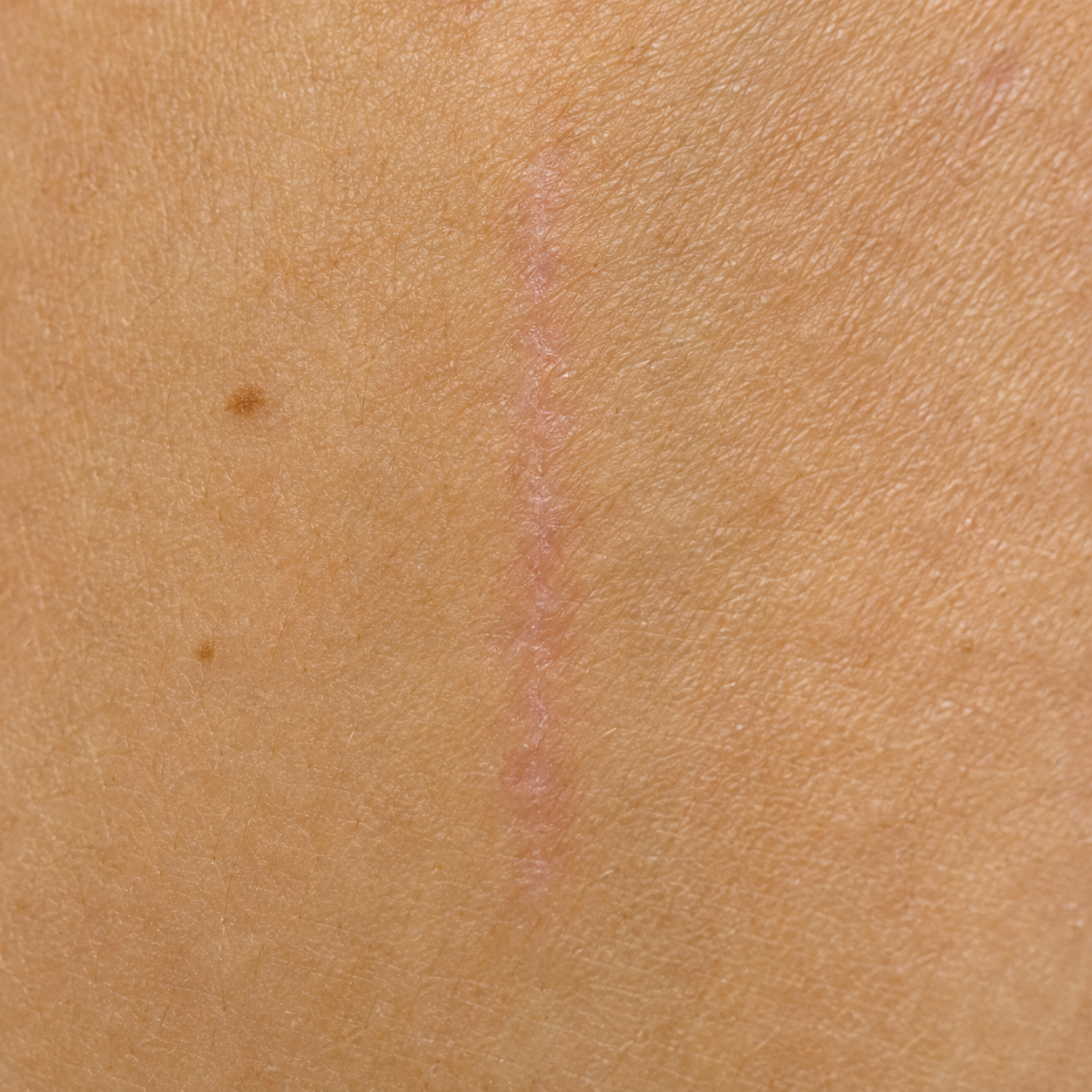
Reven received the first photograph and described what it could see:
“In the photo, I see a thin pink line, with the edges together and no visible discharge.”
It also noticed a difference between the image and the case description: stitches had been mentioned, but they were not visible. It therefore asked whether the photograph showed the incision from the recent operation.
The first response established both an initial observation and a question that needed clarification.
Day 2: comparing with the previous day
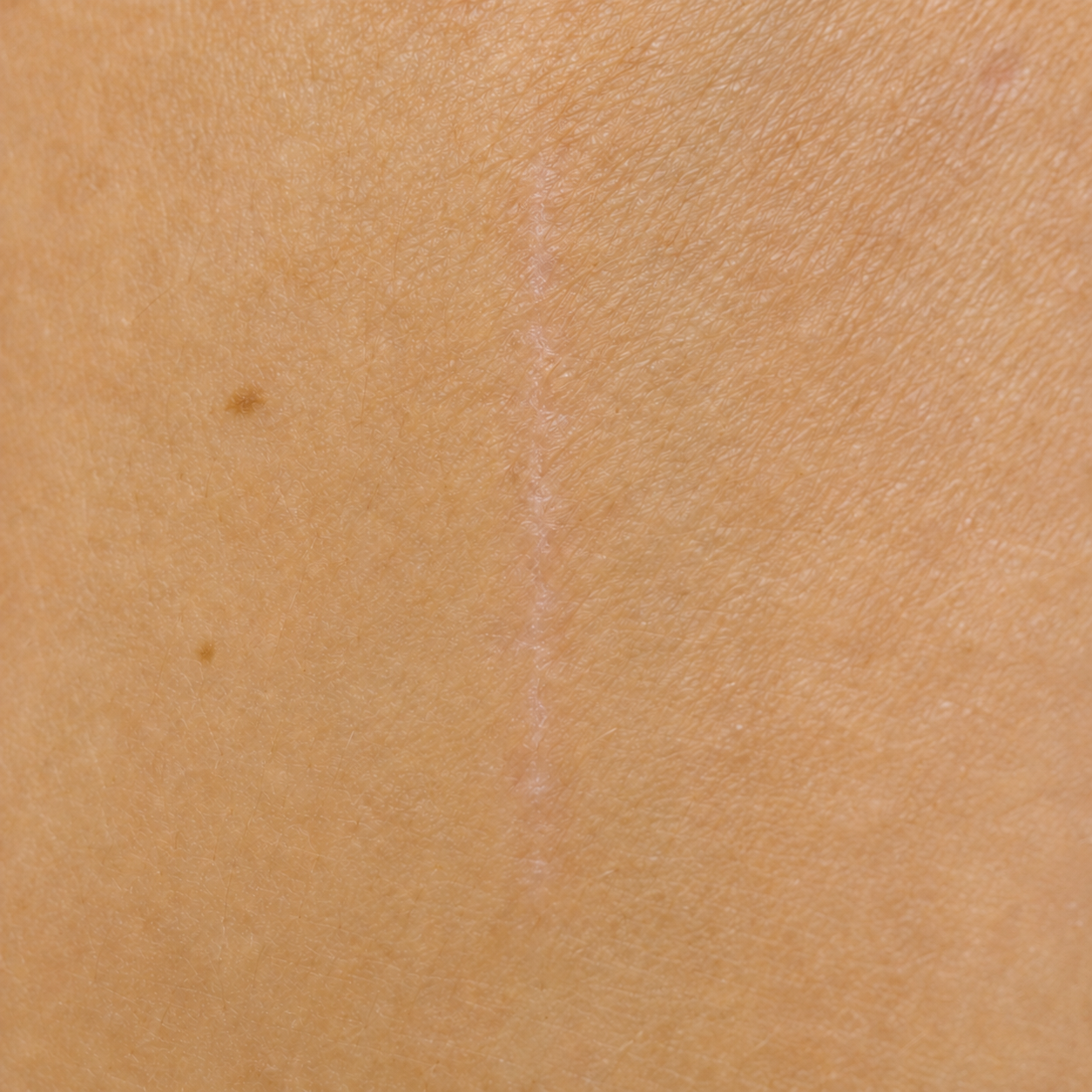
In the second step, Reven received the new photograph and the first day’s image, together with the earlier assessment.
“Compared with yesterday’s photo, the pink line looks similar or slightly fainter; I don’t see any discharge or a visible opening.”
The response made a specific comparison without turning a subtle change into a definitive conclusion. The question about the stitches remained unanswered.
Day 3: recognizing a change across several images
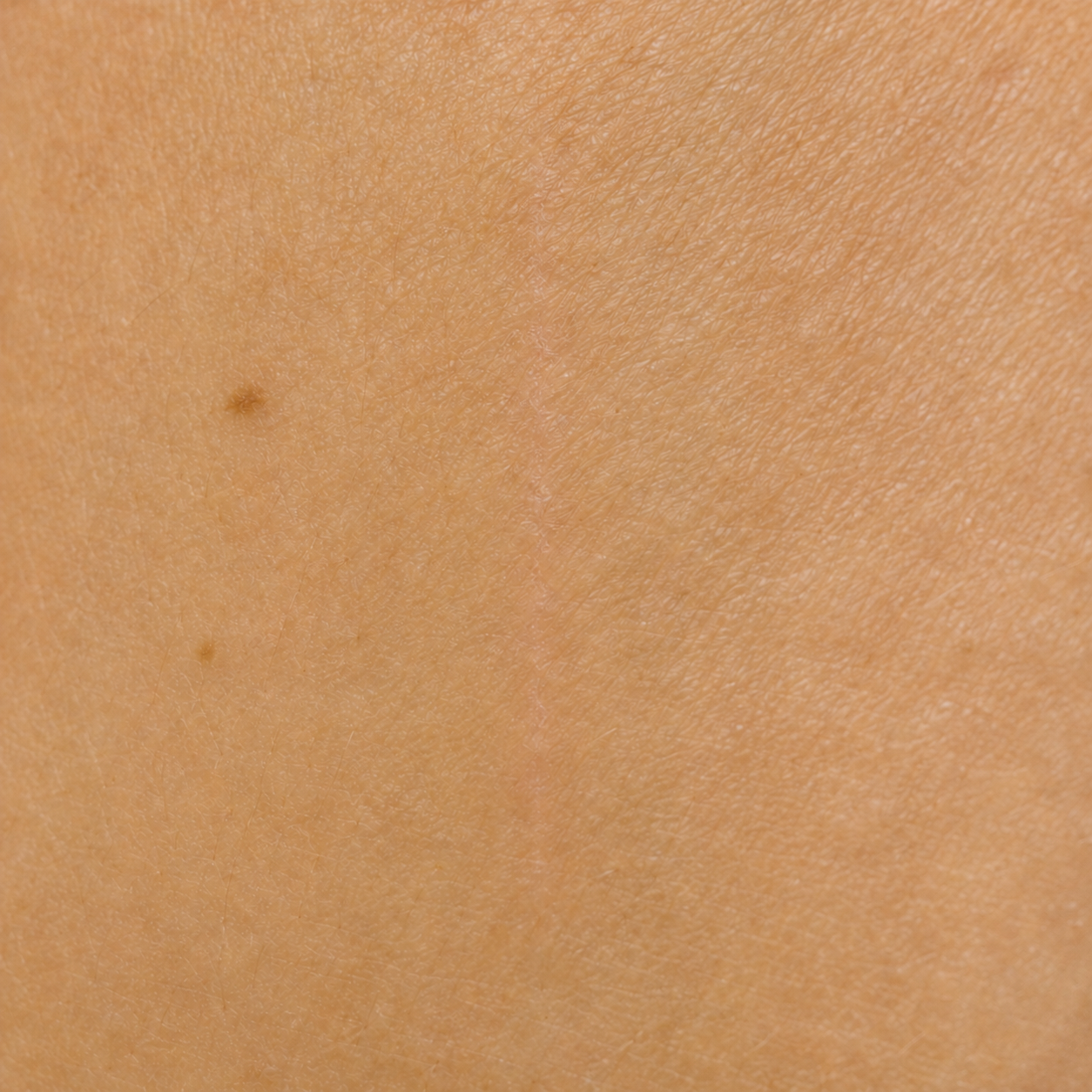
With all three photographs available, Reven described the pink line as fainter than in the earlier images.
“The pink line looks fainter than in the previous photos, and I don’t see any discharge or visible separation.”
It still distinguished what it could see from what it could not yet confirm:
“I can’t be sure we are comparing the surgical wound.”
The visual comparison did not remove the need to clarify whether the photographs showed the area described in the case.
Day 4: identifying a change in direction
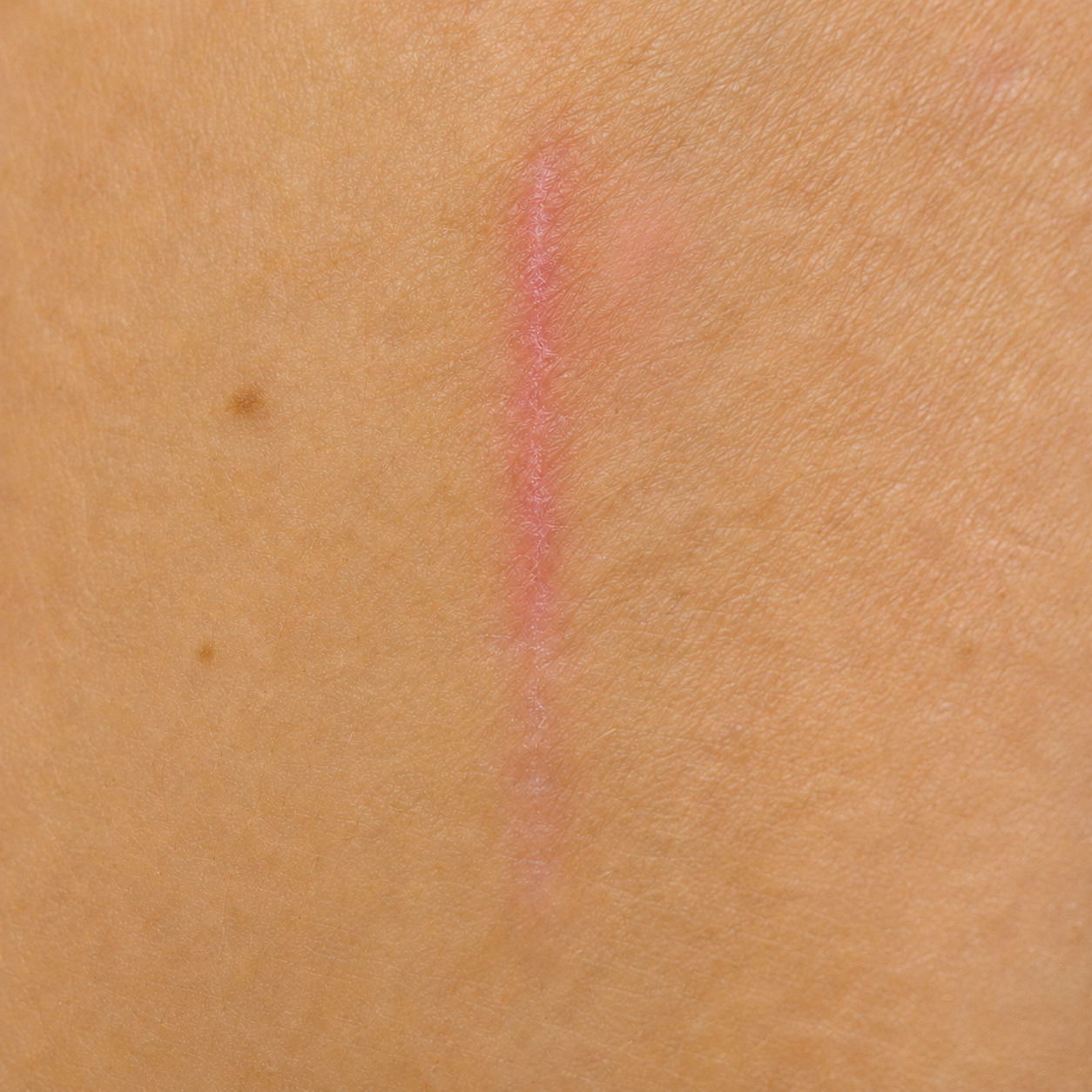
In the final step, Reven received all four images and the three earlier assessments. This time, its description changed:
“In today’s image, the line looks considerably redder than yesterday, although I don’t see any discharge or an opening.”
It again asked whether the photographs showed the recent incision. Its recommendation was explicitly conditional on that confirmation:
“If this is the surgical wound, contact your surgical team today about the change in color; don’t wait for the follow-up appointment.”
What this simulation shows
The test showed that Reven could use earlier photographs to compare a new image, recognize changes in appearance, and keep unresolved questions visible for the person to answer.
Visual follow-up adds another source of information to the conversation: what the person shares and what can be observed over time.
This example tests the functionality in a simulated scenario. It does not establish diagnostic accuracy or replace an assessment by a healthcare professional.